


ENHANCE YOUR NATUAL BEAUTY
〰️
ENHANCE YOUR NATUAL BEAUTY 〰️
LIP BLUSH TOUCH-UP
What is a Lip Blush Touch-up ?
A touch-up is a follow-up session after your initial lip blush procedure. Its purpose is to refine color, correct any areas that healed lighter or unevenly, and perfect the shape and symmetry. Because pigment settles and skin heals differently for everyone, a touch-up ensures the final result is even, vibrant, and long-lasting. It’s typically scheduled 6–8 weeks after the first appointment, once healing is complete and true pigment retention is visible. The purpose is to darken or adjust tone, fill in patchy spots, sharpen borders, and make minor shape corrections.
Long-term maintenance touch-ups may be needed every 12–36 months, depending on skin type, lifestyle, sun exposure, and pigment choice.
What to expect during Touch-up?
It’s usually quicker than the initial appointment because the basic shape and saturation are already established.
Numbing is applied as needed; most clients report milder sensations.
The technician will review healed results, discuss desired changes, and then refine color and definition.
Is a Touch-up necessary?
we suggest you to do a touch-up to achieve optimal, lasting results. It’s the final step to ensure your lip blush looks even, vibrant, and tailored to your preferences.
-
Active cold sores or frequent herpes simplex outbreaks
If you currently have a cold sore or experience frequent flare-ups, wait until you are clear of symptoms and have completed appropriate antiviral prophylaxis as advised by a medical provider. Active infection increases risk of complications and poor healing.
Recent lip procedures or injections
If you’ve had filler, laser, chemical peels, or other invasive lip treatments within the last 4–8 weeks (or as recommended by your treating clinician), delay lip blush until you are fully healed and your provider confirms it’s safe.
Pregnant or breastfeeding
Cosmetic tattooing is generally not recommended during pregnancy or while breastfeeding due to limited safety data and infection risk. Wait until after pregnancy and nursing.
Autoimmune disorders or impaired healing
Conditions that affect healing, for example, uncontrolled diabetes, epilepsy, autoimmune diseases like lupus, or immune disorders, can affect healing. Medications that compromise the immune system can increase the risk of poor results and infection. Blood disorders or those on blood thinners may bleed more and heal poorly.
Skin issues around the lips
Eczema, psoriasis, rashes, acne, or irritation near the lips can make the procedure unsafe or lead to bad results.
People prone to keloid scarring
Because it involves tiny cuts, there’s a risk of noticeable scars.
People taking certain medications
Accutane (within the past year), strong acne meds, or anything that affects healing or skin sensitivity.
Those with serious health conditions
Examples: undergoing chemotherapy, heart conditions, organ transplants, or infectious diseases like hepatitis/HIV.
Under 18
Most places won’t perform it on minors.
-
Proper preparation can help support a smoother appointment and better healing. Please read these instructions carefully before your appointment.
48 Hours Before Your Appointment
Avoid alcohol and recreational drugs.
Avoid excessive sun exposure, tanning beds, and sunburn.
Avoid facial treatments around the treatment area, including chemical peels, strong exfoliants, and aggressive facials.
Avoid waxing, threading, or other hair-removal treatments in the brow area.
If you are prone to cold sores and are receiving lip blush or lip neutralization, please speak with your healthcare provider about appropriate preventive treatment before your appointment.
24 Hours Before Your Appointment
Avoid alcohol.
Limit caffeine if you are sensitive to it, as it may increase nervousness or sensitivity during your appointment.
Stay well hydrated.
Get a good night's sleep.
On the Day of Your Appointment
Arrive with clean skin and no makeup on the treatment area.
Eat a proper meal before your appointment. Do not arrive on an empty stomach.
Drink plenty of water.
Avoid applying skincare products, oils, or makeup directly to the treatment area.
Wear comfortable clothing and allow enough time for your appointment without feeling rushed.
Medications & Supplements
Some medications and supplements may increase bleeding or sensitivity.
Do not stop taking any prescribed medication without first speaking with your healthcare provider.
Please let me know before your appointment if you take blood-thinning medications, have a medical condition that affects bleeding or healing, or regularly take supplements that may increase bleeding.
If you are unsure whether a medication or supplement is appropriate to continue before your appointment, please consult your healthcare provider.
For Lip Blush & Lip Neutralization
Keep your lips well moisturized in the days leading up to your appointment.
Avoid lip fillers immediately before your appointment. Please allow adequate time for swelling to completely resolve before receiving lip blush.
If you have ever experienced cold sores, fever blisters, or oral herpes, please let me know before booking. Preventive medication may be recommended by your healthcare provider.
Avoid picking, biting, or aggressively exfoliating your lips before your appointment.
Arrive with clean lips and without lipstick, lip liner, or lip gloss.
Please Reschedule If...
Please contact me before your appointment if you develop:
A cold, flu, fever, or other illness
A rash, irritation, sunburn, or open wound in the treatment area
An active infection or cold sore
Significant swelling or inflammation around the treatment area
Your safety and the quality of your results are always the priority.
Have Questions?
If you're unsure whether you're ready for your appointment or whether a medication, treatment, or skin condition could affect your procedure, please contact me before your appointment.
I’m always happy to help you prepare so you can feel comfortable and confident when you arrive.
-
Immediate (first 24 hours)
Keep lips clean and dry. Avoid getting them soaked in water; brief splashes are okay, but do not submerge.
Blot gently, do not wipe or rub.
Days 1–7 (active healing)
Cleanse: Gently cleanse lips twice daily with a sterile saline solution or sterile water. Use a clean cotton pad or clean fingertip and pat dry.
Moisturize: Apply a thin layer of the recommended aftercare ointment (usually a sterile, fragrance-free balm) 2–4 times daily.
Do not pick, peel, scratch, or pick off any scabs or flaking skin. Let them exfoliate naturally to avoid pigment loss and scarring.
Avoid makeup on the lip area until fully healed.
Avoid heavy sweating, saunas, steam rooms, pools, hot tubs, and prolonged sun exposure.
Sleep on a clean pillowcase and avoid pressure on the lips.
Week 2–4 (continued healing)
Expect some light flaking, itching, or minor dryness. Keep moisturizing as instructed, but reduce ointment frequency if lips feel overly soft.
Avoid exfoliating products, retinol, glycolic acids, or any aggressive facial treatments near the mouth.
Avoid prolonged sun exposure and use a lip sunscreen after healing to protect pigment once the skin barrier is restored.
Medications and activities to avoid
Avoid aspirin, ibuprofen, high-dose vitamin E, fish oil, and other blood-thinning supplements for 48–72 hours unless directed by your healthcare provider.
Avoid alcohol for at least 24–48 hours.
Do not use peroxide-based products, hydrogen peroxide, or alcohol on the treated area.
When to contact your technician or a medical professional
Signs of infection: increasing redness, swelling, warmth, severe pain, yellow or green pus, or fever.
Allergic reaction: hives, severe swelling beyond expected mild swelling, or breathing difficulty.
Unusual or worsening symptoms at any point.
LEARN MORE : Permanent Makeup Aftercare: The Complete Day-by-Day Healing Guide
-
Touch-up (4-8 Weeks) …………… $75
Yearly Touch-up ……….… $200
More questions? Call 323-3047484. We"‘ll be happy to answer them.
WHAT TO EXPECT
Consultation And Mapping
Once your appointment is booked, we’ll chat about your lifestyle and everyday makeup routine. Do you usually shape and fill in your lips daily? Do you prefer a soft, natural look or something bolder and defined? During your consultation, we’ll explore your options together and design the perfect lip look tailored just for you.
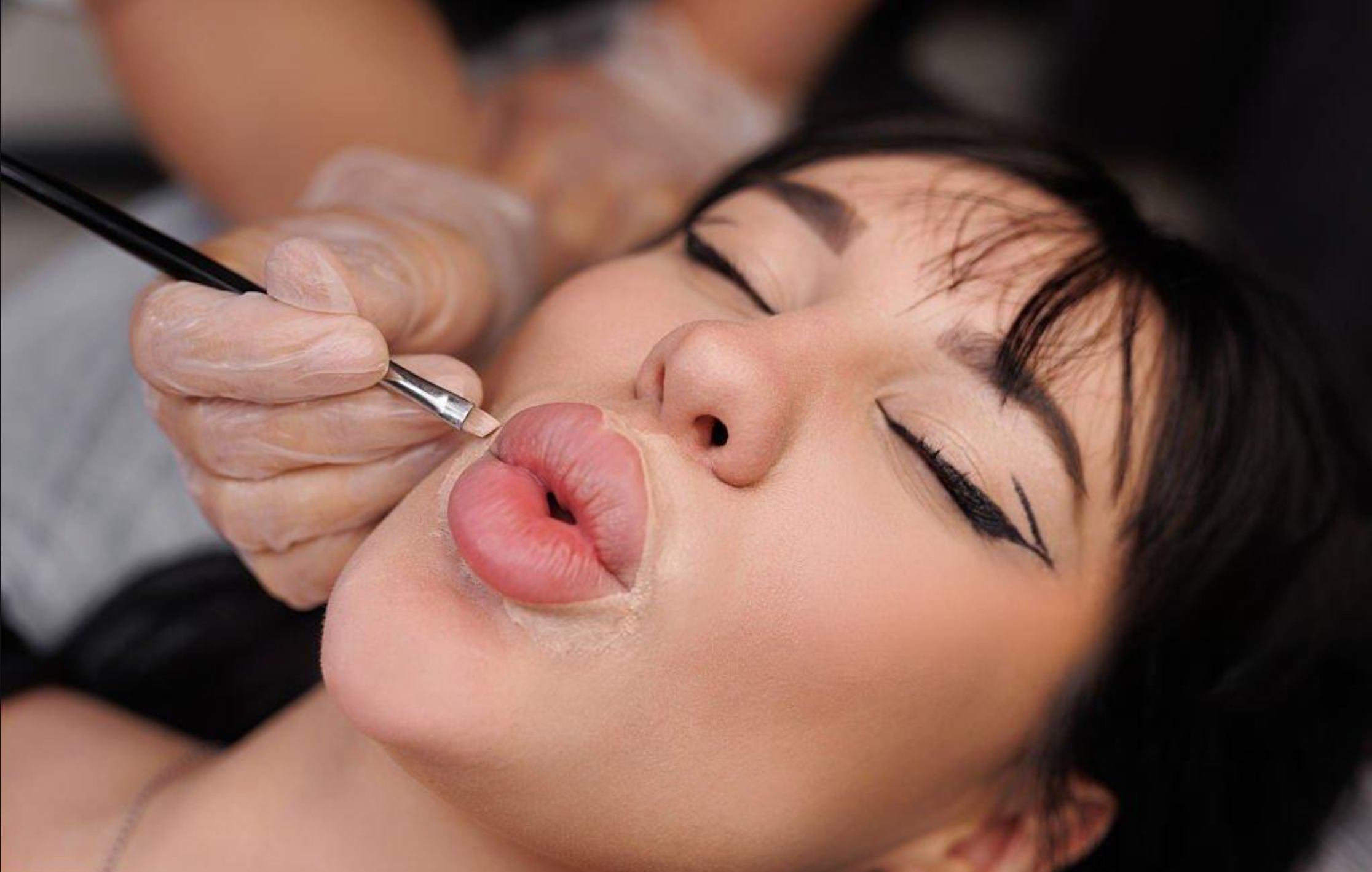
Numbing
We use a two-step numbing process to keep you comfortable. First, a topical numbing cream is applied before we begin the lip micropigmentation. Then, a liquid lidocaine is used throughout the procedure to maintain numbness. Most clients are pleasantly surprised by how comfortable the experience is.
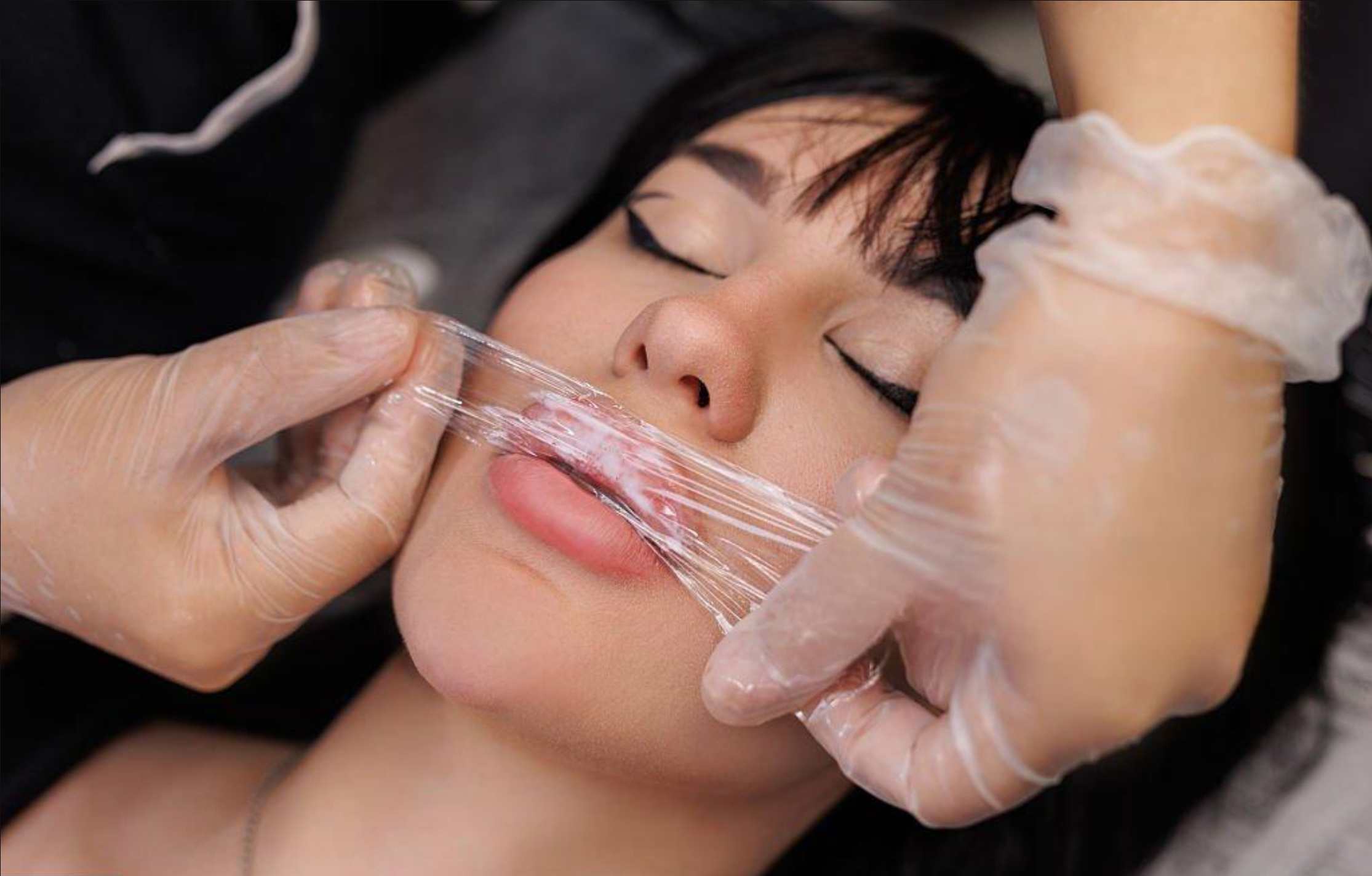
The Procedure
Once you’re fully numb and relaxed, we begin the lip micropigmentation process. We use only single-use, disposable needles to ensure the highest standards of safety and hygiene. This step is a delicate, artistic procedure that should always be performed by a trained professional, and it typically takes about 30–45 minutes to complete.
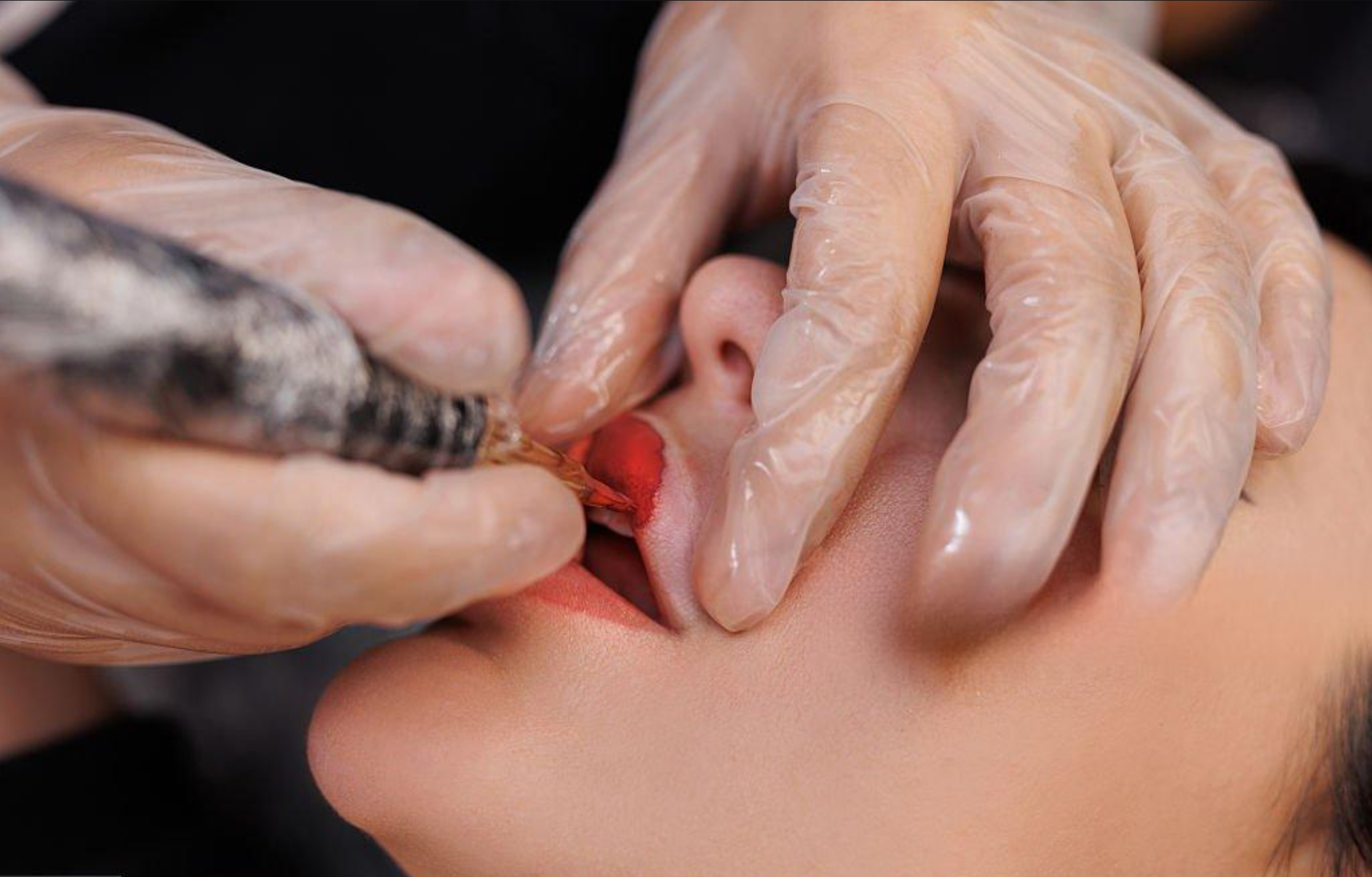
Reveal Your New Lips
Once your Micropigmentation is complete, we’ll reveal your beautiful new lips! You can skip the daily lip-lining and coloring—wake up every day with effortlessly enhanced lips.
A complimentary touch-up is recommended within 30–60 days to perfect and maintain your results.

Visit our FAQ for answers to the most common questions about our PMU services.
MEET THE ARTIST
My name is Dorsa, and I’m a certified permanent makeup artist with extensive education and experience in micropigmentation.
My passion for permanent makeup began when I saw how a simple transformation could make someone feel more confident and beautiful in their own skin. I love creating natural, personalized results that enhance each client’s unique features.
I don’t believe brows should look identical on everyone. The best brows are the ones that look like they were always meant to be there.
My goal is to make every client feel comfortable, cared for, and confident from the moment they walk in to the moment they leave.



Book your appointment at Rebloomist and discover personalized brow and beauty services designed around you. Each treatment is tailored to your features and desired look, with a focus on natural, beautiful results.
Choose your service, book your appointment, and let’s bring your vision to life.
SCHEDULE YOUR APPOINTMENT
“True beauty deepens when confidence becomes your favorite accessory.”

Explore Our Services
At REBLOOMIST, your safety and comfort come first. We follow strict hygiene and sanitation practices and use high-quality tools and products to provide a clean, safe experience. Every treatment is performed with care and attention to help you feel confident and comfortable from start to finish.